Translate

Saturday, 21 June 2025

English Grammar ll Brain Tech Tutorial ll Free for All

A SCHOOL WITHOUT A ROOM


is a set of rules that govern the composition and structure of the English language. It helps us to speak, read, and write English properly. 


A well-structured report typically includes a title page, executive summary, introduction, body, conclusion, and references, tailored to the specific audience and purpose.


 To write a research report, one can follow this standard format:

  1. Report Summary: A broad overview of what readers will learn in the full report.
  2. Introduction: Brief background of the topic, type of research, and research sample.
  3. Methods: Description of how data was collected, analyzed, and interpreted.
  4. Data Analysis: Presentation and analysis of the data collected.
  5. Conclusion: Summary of findings and implications of the research. 
    This structure helps ensure clarity and consistency in your report writing.

best tool for report writing 


👉Content Writing

Content writing is a multifaceted discipline that entails the systematic planning, creation, and dissemination of written content, including articles, blog posts, product descriptions, and marketing copy, designed to engage online audiences. The primary purpose of content writing is to inform, educate, or persuade readers, serving various business objectives.


 Definition of 'Genre': Genre means a type of art, literature, or music characterized by a specific form, content, and style. 

For example-
Literature has four main genres:

*Poetry,
*Drama
*Fiction
*Non-fiction

 All of these genres have particular features and functions that distinguish them from one another. Hence, it is necessary on the part of readers to know which category of genre they are reading in order to understand the message it conveys, as they may have certain expectations prior to the reading concerned.

 Types of Genres: There are five types of genres in literature, which include:

 *Poetry

Poetry is the first major literary genre.
All types of poetry share specific characteristics. In fact, poetry is a form of text that follows a meter and rhythm, with each line and syllable. It is further subdivided into different genres, such an epic poem, narrative, romantic, dramatic, and lyric. 
Dramatic poetry includes melodrama, tragedy, and comedy, while other poems include ode, sonnet, elegy, ballad, song, and epic.

Popular examples of epic poems include Paradise 
Lost, by John Milton, 
The Iliad and The Odyssey, by Homer. 
Examples of romantic poems include 
Red Red Rose, by Robert Burns. 
All these poetic forms share specific features, such as they do not follow paragraphs or sentences; they use stanzas and lines instead. Some forms follow very strict rules of length, and number of stanzas and lines, such as villanelle, sonnet, and haiku. Others may be free-form, like Feelings, Now, by Katherine Foreman, which is devoid of any regular meter and rhyme scheme. Besides that, often poetry uses figurative language, such as metaphor, simile, onomatopoeia, hyperbole, and alliteration to create heightened effect.

 *Drama

Drama is a form of text that is performed in front of an audience. It is also called a play. Its written text contains dialogues, and stage directions. This genre has further categories such as comedy, tragedy, and tragicomedy. William Shakespeare is known as the father of English drama. His well-known plays include Taming of the Shrew, Romeo & Juliet, and Hamlet. Greek playwrights were the pioneers in this field, such as Sophocles’ masterpiece Oedipus Rex, and Antigone, while modern dramas include Death of a Salesman, by Arthur Miller.

 *Prose

This type of written text is different from poetry in that it has complete sentences organized into paragraphs. Unlike poetry, prose focuses on characters and plot, rather than focusing on sounds. It includes short stories and novels, while fiction and non-fiction are its sub genres. 
Prose is further categorized into essays, speeches, sermons, and interpretations.

 *Fiction

Fiction has three categories that are realistic, non-realistic, and semi-fiction. Usually, fiction work is not real, and therefore, authors can use complex figurative language to touch readers’ imaginations. Unlike poetry, it is more structured, follows proper grammatical pattern, and correct mechanics. A fictional work may incorporate fantastical and imaginary ideas from everyday life. It comprises some important elements such as plot, exposition, foreshadowing, rising action, climax, falling action, and resolution. 
Popular examples of literary fiction include 
James Joyce’s novel A Portrait of an Artist as a Young Man, 
Charles Dickens’ A Tale of Two Cities, 
Jane Austen’s Pride and Prejudice, and 
Harper Lee’s To Kill a Mockingbird.

 *Non-Fiction

Non-fiction is a vast category that also has sub-genres; it could be creative like a personal essay, or factual, like a scientific paper. It may also use figurative language, however, not unlike poetry, or fiction has. Sometimes, non-fiction may tell a story, like an autobiography, or sometimes it may convey information to readers.

Other examples of non-fiction include biographies, diaries, memoirs, journals, fantasies, mysteries, and romances. A popular example of non-fiction genre is Michael Pollan’s highly celebrated book, The Omnivore’s Dilemma: A Natural History of Four Meals, which is an account of the eating habits of Americans.

 *Function of Genre

Different genres have different roles. For example, fiction and dramatic genres help students and writers learn and improve their communication skills. A poetic genre, on the other hand, enhances imaginative and emotional power of the readers. Non-fictional texts and essays help readers develop analytical and persuasive capabilities. However, the major function of genre is to establish a code of behavior between the writers and audience, and keep the readers informed about the topics discussed or the themes presented.
---


------------------------------
------------------------------
 

Articles এবং তার এর ব্যবহার।

সাধারণত A, An এবং The -এর ব্যবহার কে Article বলে।  
Article দুই প্রকার।

1. Indefinite Article
2. Definite Article

Indefinite Article: A এবং An কে Indefinite Article বলে কারণ তারা কোন, অনির্দিষ্ট ব্যক্তি, প্রাণী ও বস্তুকে বুঝায়। 

Indefinite Article Singular Countable Noun -এর পূর্বে বসে। 

Example:
 ⇒He bought a pen.
 ⇒The boy took an egg.

Definite Article: The কে Definite Article বলে। কারণ ইহা এক বা একাধিক বস্তুু বা প্রাণিকে নির্দিষ্ট করে বুঝায়।

Definite Article, Singular এবং Plural উভয় প্রকার Noun এর পূর্বে বসে।

Example:
⇒The man is mortal.

A, An, The: 
Article a, an, the -এর ব্যবহার মূলত নির্ভর করে এর পরের nounটির pronunciation (উচ্চারণের) উপর। এগুলোকে আবার determiner বলা হয়।

a, an, the এর ব্যবহার নিম্নরূপ:

Article “a” 
✬ Consonant sound (a, e, i, o, u বাদে অন্য ইংরেজি বর্ণমালা গুলো consonant sound প্রকাশ করে) এর পূর্বে article “a” বসে। মনে রাখবেন countable noun এ consonant sound মানে “a”. 
A baseball, a boy, a car etc.

✬ Vowel দ্বারা শুরু হওয়া শব্দের উচ্চারণ যদি (yu) ইউ এর মত হয় তবে article A বসে। 
 a university (ইউনিভার্সিটি), a unit, a European.

✬ “O” vowel এর উচ্চারণ যদি (wa) ওয়া এর মত হয় তবে article “a” বসে। 
A one-eyed man, a one-eyed deer.

 Article “an” 

✬ Singular countable noun এর প্রথম বর্ণ যদি vowel (a, e, i, o, u)দ্বারা শুরু হয়।
 an ant, an egg, an idiot.

✬ প্রথম বর্ণ consonant দ্বারা শুরু হওয়া স্বত্বেও vowel sound প্রকাশ করলে। 
an M.A (M:এম-AM), an LLB (L:এল-AL), an SDO (S: এস-AS) etc.

✬ H দ্বারা শুরু হওয়া শব্দে “h” উচ্চারিত না হয়ে vowel sound উচ্চারিত হলে। 
an hour (আওয়ার), an heir (এয়ার), an honest (অনিষ্ট) man ইত্যাদি।

Article “the” 

✬ কোন noun কে নির্দিষ্ট করে বুঝাতে তার পূর্বে definite article “the” বসে। অর্থাৎ যার সম্পর্কে পূর্বে বলা হয় অথবা দ্বিতীয় বার কোন ব্যক্তি বা বস্তু সম্পর্কে বলা হলে তার পূর্বে article “the” বসে। 
This is a nice picture. Give me the picture.

✬ Uncountable noun এর পূর্বে article হয় না। তবে noun ব্যবহারের সূত্র অনুযায়ী uncountable noun এর পূর্বে the বসতে পারে।
Cardinal number (1,2,3……..) পূর্বে article বসে না। Cardinal number এর কথা বললে ক্যালেন্ডারের কথা মনে করুন। আর ক্যালেন্ডারে ১,২,৩…সংখ্যা হিসাবে তারিখ থাকে।  ক্যালেন্ডারে তারিখের সংখ্যা আর Cardinal number সংখ্যার প্রকাশ একিই এবং এর পূর্বে article বসে না। যেমন one, two, three……. ইত্যাদি। 
অপরপক্ষে first, second, third…. ইত্যাদি ordinal number এবং ordinal number এর পূর্বে the বসে

 The first, the second, the third ইত্যাদি।


নিন্মের শব্দগুলোর আগে article the বসে:
চন্দ্র, সূর্য, সাগর, মহাসাগর আর নদী,
পর্বতশ্রেণী, দ্বীপপুঞ্জ, উপসাগর,
উত্তর,দক্ষিণ, পূর্ব, পশ্চিম, পৃথিবী,
জাতি, সম্প্রদায়, ধর্মগ্রন্থ, 
জাহাজ, তারিখ আর ভৌগলিক নাম-
এর আগে The এর ব্যবহার হয়।


চন্দ্র, সূর্য, সাগর, মহাসাগর আর নদী,
পর্বতশ্রেণী, দ্বীপপুঞ্জ, উপসাগর থাকে যদি,

 উত্তর,দক্ষিণ, পূর্ব, পশ্চিম মিলে এই পৃথিবী, 

  জাতি, সম্প্রদায়, ধর্মগ্রন্থ, পত্রিকায় লিখলেন কবি।

  জাহাজ, তারিখ আর ভৌগলিক নাম-এর আগে The এর       ব্যবহার হয় সহজে জানলাম।

★★★ এবার এসো আমরা ছন্দে ছন্দে the এর ব্যবহার শিখি

নদী, সাগর দ্বীপপুঞ্জ
জাহাজাদি, গিরি, পর্বত
চন্দ্র, সূর্য গ্রহ, তারা, আরো যত বিশ্ব ধারা
পৃথিবীতে একটি আছে যত
তার পূর্বে the বসবে নেই ভিন্নমত।

the moon, the sun, the Red Sea, the Atlantic Ocean,  the Padma, the Himalayas, the Persian Gulf, the north, the south, the east, the west, the earth, the Indians, the Muslims, the holy Quran, the Daily Star, the Amir, the 24th October, the U.S.A, the United Kingdom.

যেসব স্থানে Article বসে না –

★ a/an অনির্দিষ্ট একটি মাত্র ব্যক্তি বা বস্তুর ক্ষেত্রে ব্যবহৃত হয়। তাই plural word-এর পূর্বে article a/an বসে না। শুধু মাত্র singular এবং অনির্দিষ্ট ব্যক্তি/ বস্তুর ক্ষেত্রে a/an ব্যবহৃত হয়। যেমনঃ a book, a pen, an apple ইত্যাদি।
★ যেসব noun এর কোন plural form নেই বা যাদের সাথে s/
es যুক্ত হয়ে plural হয় না সেসব word এর পূর্বেও article বসে না।
নিন্মের কবিতার মাধ্যমে word গুলো মনে রাখুন ।নিন্মের word গুলোর পূর্বে কোন article বসে না।

★ “ভাষা (Bangla, French etc), খাদ্য (bread, meat etc.), গ্যাস (oxygen, hydrogen etc.) আর রোগব্যধি (malaria, cancer, AIDS), অদৃশ্য (information, advice), তরল বস্তু (tea, soup, oil), ক্ষুদ্র কনা ( sand, rice, flour) থাকে যদি, পাঠ্য বিষয় (physics, history, chemistry), প্রাকৃতিক বস্তু (sunshine, darkness), খেলাধুলা (football, cricket, chess) এসব বিষয় non count – করোনা অবহেলা” 
bread, wood, oil, rice etc.
breads ×, a wood×, one oil ×, rice are × is √ eaten by me.


🕮


ছন্দে ছন্দে Preposition এর ব্যবহার


🕮


🕮


🕮
👉Phrases     
👉Idioms

🕮

🕮
Slang Words in English

Reduplication  in English


Confusing words  in English


👉English: Basic Vs Advance 


👉English: British Vs American


🕮

🕮


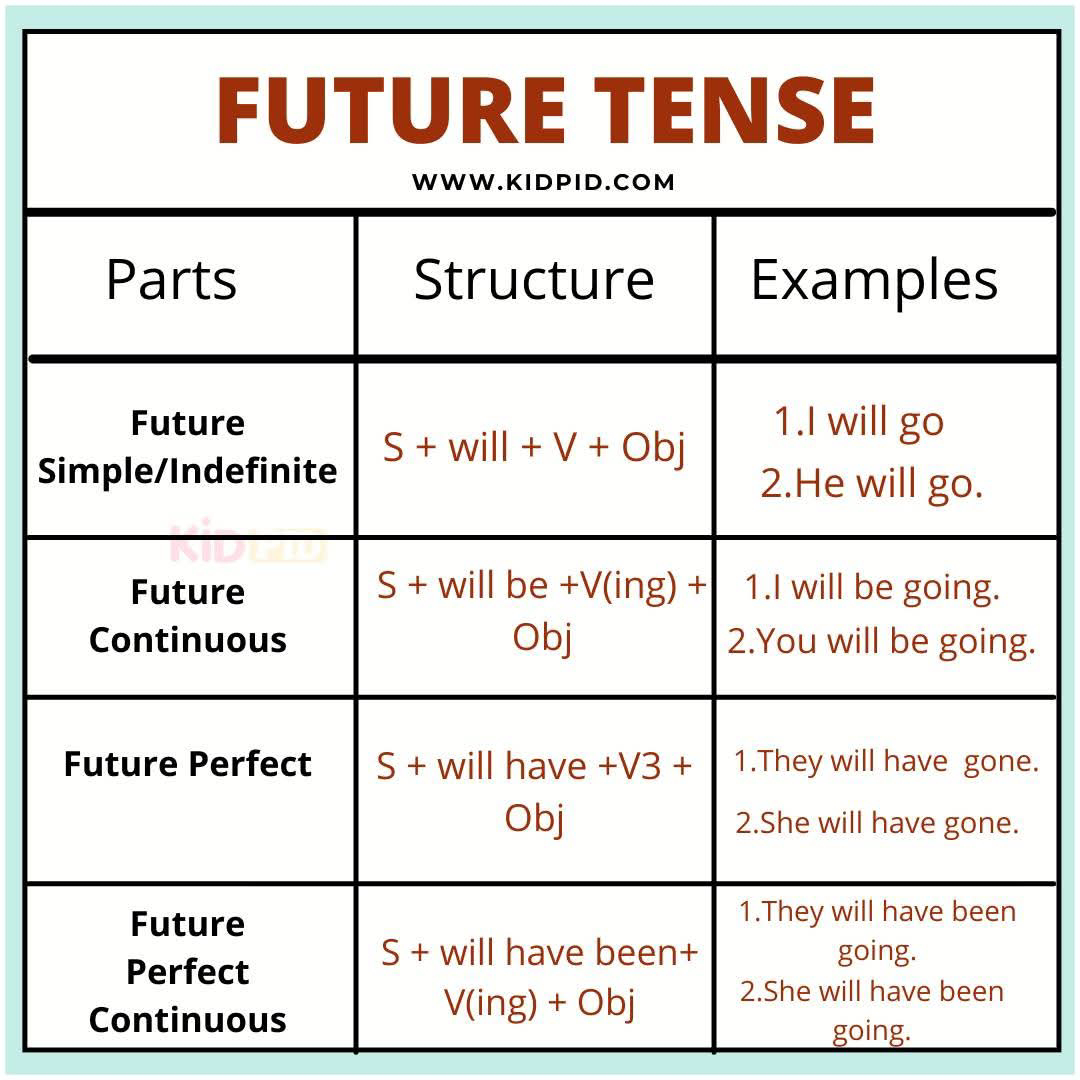
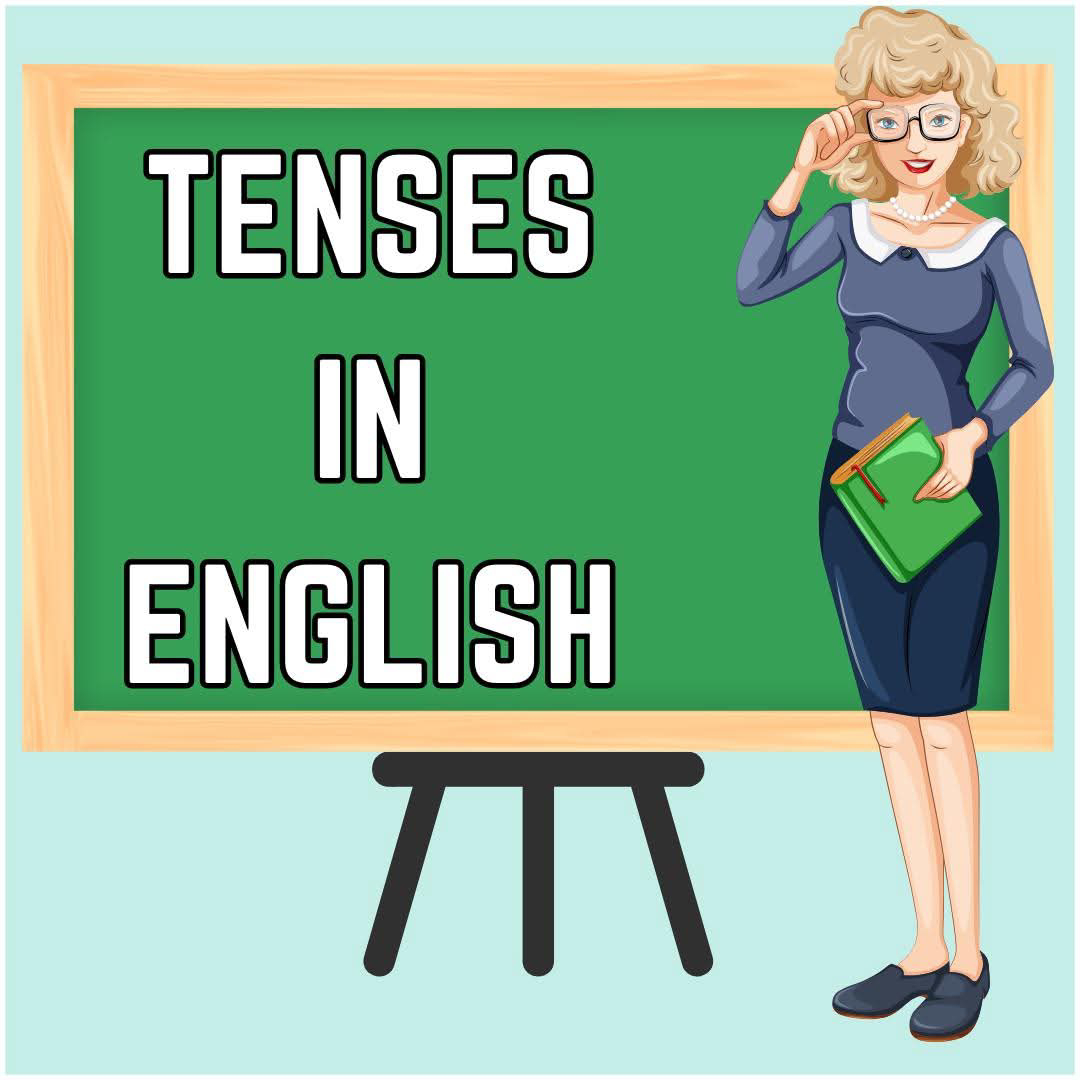
Tenses in English Grammar 

(বাংলায় ক্রিয়ার কাল) 
*Credit goes to the creator


Thursday, 19 June 2025

বাংলা ব্যকরণ (Bengali Grammar) II Brain Tech Tutorial II Free for All


 "ব্যাকরণ" একটি সংস্কৃত শব্দ যার ব্যুৎপত্তিগত অর্থ হলো বিশেষভাবে বিশ্লেষণ করা। কোন ভাষাকে বিশ্লেষণ করলে সেই ভাষার উপকরণ এবং উপাদানগুলোকে পৃথকভাবে চিহ্নিত করে ভাষার অভ্যন্তরীন শৃঙ্খলা সম্পর্কে জানা যায়। ব্যাকরণ ভাষার শৃঙ্খলা রক্ষা করে নিয়ম-কানুন প্রণয়ন করে এবং তা প্রয়োগের রীতি সুত্রবদ্ধ করে। সুতরাং, ব্যাকরণকে ভাষার আইন বা সংবিধান বলা যায়।

যে শাস্ত্রের সাহায্যে ভাষার স্বরূপ ও গঠণপ্রকৃতি নির্ণয় করে সুবিন্যস্ত করা যায় এবং ভাষা শুদ্ধরূপে বলতে, পড়তে এবং লিখতে পারা যায়, তাকে ব্যাকরণ বলে।

বাংলা ব্যকরণ

বাংলা ব্যকরণ

Bengali Grammar A-Z

বাংলা ব্যকরণ-ঢাকা

কি, কী, কিনা, কি না, নাকি

সংসদ অভিধান

বাংলা অ্যাকাডেমি অভিধান


The above information consists of collected materials. We are presently active in developing our own materials for publication.


FREE বাংলা FONT


Tuesday, 17 June 2025

বাংলা সাহিত্য পরিচয়

এক নজরে: বাংলা সাহিত্যে প্রথম 

১.  প্রথম উপন্যাস – আলালের ঘরের দুলাল
২.  মুসলমান চরিত্র অবলম্বনে প্রথম নাটক - জমিদার দর্পণ
৩.  প্রথম মুসলিম পুথিসংগ্রহকারী - আবদুল করিম সাহিত্য বিশারদ-
৪.  প্রথম সনেট রচয়িতা - মাইকেল মধুসূদন দত্ত
৫.  প্রথম যতিচিহ্নের ব্যবহার করেন - ঈশ্বরচন্দ্র বিদ্যাসাগর
৬  প্রথম কাহিনীধর্মী গ্রন্হ - বেতাল পঞ্চবিংশতি
৭.  প্রথম নাগরিক কবি - ভারতচন্দ্র
৮.  প্রথম স্বার্থক ট্রাজেডি - কৃষ্ণকুমারি
৯  প্রথম বাংলা মুদ্রিত গ্রন্হ - কথোপকথন
১০. প্রথম মহাকাব্য - মেঘনাদবধ
১১. প্রথম মহাকবি - বড়ু চণ্ডীদাস
১২. ভাষা আন্দোলনভিত্তিক প্রথম নাটক - কবর
১৩. প্রথম মুসলিম কবি রচিত নাটক - বসন্ত
১৪. প্রথম মুসলিম নাট্যকার - মীর মশাররফ
১৫. প্রথম পত্র উপন্যাস - বাধনহারা
১৬. মুক্তিযুদ্ধভিত্তিক প্রথম উপন্যাস - রাইফেল রোটি আওরাত
১৭. প্রথম রোমান্টিক উপন্যাস - কপাল কুণ্ডলা
১৮. ভাষা আন্দোনভিত্তিক প্রথম উপন্যাস - আরেক ফাল্গুন
১৯. প্রথম মহিলা উপন্যাসিক - স্বর্ণকুমারী দেবী
২০. প্রথম নাটক - ভদ্রার্জুন
২১. প্রথম স্বার্থক নাটক - শর্মিষ্ঠা
২২. প্রথম মুসলমান কবি - শাহ মুহাম্মদ সগীর
২৩. প্রথম মহিলা কবি - চন্দ্রাবতী
২৪. ঢাকা থেকে প্রথম প্রকাশিত গ্রন্হ - নীল দর্পন
২৫. কবিগানের প্রথম কবি - গোজলা পুট
২৬. প্রথম চলিত রীতির প্রবর্তক - প্রমথ চৌধুরী
২৭. প্রথম প্রণয় উপাখ্যান - ইউসুফ জোলেখা
২৮. প্রথম প্রহসন - একেই কি বলে সভ্যতা
২৯. প্রথম বাংলা পত্রিকা - রংপুর বার্তাবহ
৩০. প্রথম সার্থক উপন্যাস - দুর্গেশনন্দিনী
৩১. প্রথম সবাক চলচ্চিত্র - জামাই ষষ্ঠী
(সংগৃহীত)

Monday, 16 June 2025

American Literature II Selected Collection ll Brain Tech Tutorial II Free for All

Allen Ginsberg was an acclaimed poet and a leading figure of the Beat Generation whose radical literary works and advocacy for social change left an indelible mark on American counterculture. Ginsberg first came to public attention in 1956 with the publication of Howl and Other Poems (City Lights Books).

“Howl,” also known as “Howl for Carl Solomon,” is a long-lined poem in the tradition of Walt Whitman and an outcry of rage and despair against a destructive, abusive society. The poem’s raw, honest language and its “Hebraic-Melvillian bardic breath,” as Ginsberg called it, stunned many traditional critics. James L. Dickey, for instance, referred to “Howl” as “a whipped-up state of excitement” and concluded that “it takes more than this to make poetry.” 

Other critics responded to “Howl” more positively. Richard Eberhart, for example, called “Howl” “a powerful work, cutting through to dynamic meaning…It is a howl against everything in our mechanistic civilization which kills the spirit…Its positive force and energy come from a redemptive quality of love.” Appraising the impact of “Howl,” Paul Zweig noted that it “almost singlehandedly dislocated the traditionalist poetry of the 1950s.”

On March 25, 1957, customs officials seized 520 copies of Howl that were being imported from England by claiming that the book was obscene. In June, Shig Murao, the City Lights bookstore manager, was arrested and jailed for selling Howl to an undercover San Francisco police officer. Poet Lawrence Ferlinghetti was subsequently arrested for publishing the book.The ensuing trial attracted national attention, as prominent literary figures such as Mark Schorer, Kenneth Rexroth, and Walter Van Tilburg Clark spoke in defense of Howl. Schorer testified that “Ginsberg uses the rhythms of ordinary speech and also the diction of ordinary speech. I would say the poem uses necessarily the language of vulgarity.” Clark called Howl “the work of a thoroughly honest poet, who is also a highly competent technician.” The testimony eventually persuaded Judge Clayton W. Horn to rule that Howl was not obscene. The qualities cited in its defense helped make Howl the manifesto of the Beat Movement and pave the way for other challenging works to be published. 

Ginsberg went on to publish many books after Howl, including Kaddish and Other Poems (City Lights, 1961), Planet News: 1961–1967 (City Lights, 1968), and The Fall of America: Poems of These States, 1965–1971 (City Lights, 1973), which won the National Book Award.

Often, Ginsberg’s poems contain references to his early childhood and young adulthood. Born in Newark, New Jersey, to a Jewish family, he grew up in nearby Paterson. Both of his parents, Louis and Naomi Ginsberg, were members of the New York literary counterculture of the 1920s. Louis was a schoolteacher and a published poet. Naomi was a supporter of the communist party and would bring her sons along with her to party meetings. She had a mental illness and was in and out of mental hospitals throughout Ginsberg’s childhood and adulthood. In Allen Ginsberg: A Biography (Virgin Books, 2000), Barry Miles observed, “Naomi’s illness gave Allen an enormous empathy and tolerance for madness, neurosis, and psychosis.” “Kaddish,” a poem similar in style and form to “Howl,” is based on the traditional Jewish prayer for the dead and tells the life story of Ginsberg’s mother, Naomi. The poet’s complex feelings for his mother, colored by her struggle with mental illness, are at the heart of this long-lined poem. It is considered to be one of Ginsberg’s finest: Thomas F. Merrill called it “Ginsberg at his purest and perhaps at his best”; Louis Simpson referred to it as “a masterpiece.” Ginsberg’s experiences with his mother’s mental illness and institutionalization are also frequently referred to in “Howl.”

The Adventures of Huckleberry Finn, written by Mark Twain in 1884, is one of the most important and controversial novels in American literature. Set along the Mississippi River before the Civil War, it follows a young boy named Huck Finn as he escapes from his abusive father and sets out on a raft journey with Jim, an enslaved man running away to freedom.

Their journey down the river becomes more than just an adventure — it’s a powerful exploration of friendship, morality, and freedom. As Huck and Jim float through towns and face danger, Huck struggles with what society has taught him about race and what he knows in his heart is right. His growing respect and care for Jim show his quiet rebellion against a world built on injustice.

Twain fills the novel with humor, vivid dialects, and unforgettable characters, but beneath the comedy lies a deep criticism of hypocrisy, racism, and greed in American society. The river becomes a symbol of freedom — a place where Huck and Jim can escape the corrupt rules of the land.

The Adventures of Huckleberry Finn is more than a boy’s adventure story — it’s a journey toward moral awakening and one of literature’s most honest portraits of the American conscience.

French Literature II Selected Collection ll Brain Tech Tutorial II Free for All

 French Literature


Les Misérables French: is a French epic historical novel by Victor Hugo, first published on 31 March 1862, that is considered one of the greatest novels of the 19th century. Les Misérables has been popularized through numerous adaptations for film, television, and the stage, including a musical.

Read the book online

In the English-speaking world, the novel is usually referred to by its original French title. However, several alternatives have been used, including The MiserablesThe WretchedThe Miserable OnesThe Poor OnesThe Wretched PoorThe Victims, and The Dispossessed. Beginning in 1815 and culminating in the 1832 June Rebellion in Paris, the novel follows the lives and interactions of several characters, particularly the struggles of ex-convict Jean Valjean and his experience of redemption.

Examining the nature of law and grace, the novel elaborates upon the history of France, the architecture and urban design of Paris, politics, moral philosophyantimonarchism, justice, religion, and the types and nature of romantic and familial love.

Vocabulary ll English ll Brain Tech Tutorial


 কয়েটিটি প্রয়োজনীয় রান্নার মসলার (Spices) ইংরেজি নাম

▪️Turmeric (টারমারিক) - হলুদ
▪️Cumin (কিউমিন) - জিরা
▪️Nigella seed (নাইজেলা সিড) - কালো জিরা
Black Cumin
(কালো জিরা)Sweet, floral and smoky cumin and anise-like flavor. Smaller than regular cumin. Often mistaken for caraway seed. Though English translation is black cumin, the term black cumin is also used as English translation of Nigella sativa, kalonji- Wiki
▪️Coriander (কোরিয়ান্ডার) – ধনিয়া
▪️Black pepper (ব্ল‍্যাক পেপার) গোলমরিচ
▪️Red chili (রেড চিলি) শুকনা লাল মরিচ
▪️Green chili (গ্রিন চিলি) – কাঁচা সবুজ মরিচ
▪️Mustard seed (মাস্টার্ড সিড) সরিষা
▪️Mustard powder (মাস্টার্ড পাউডার) - সরিষা গুঁড়ো
▪️Fenugreek (ফেনুগ্রিক) – মেথি
▪️Fennel (ফেনেল) - মৌরি
▪️Bay leaf (বে লিফ) – তেজপাতা
▪️Cinnamon (সিনামন) – দারুচিনি
▪️Clove (ক্লোভ) - লবঙ্গ
▪️Cardamom (কার্ডামম) - এলাচ
▪️Nutmeg (নাটমেগ) – জয়ফল
▪️Mace (মেস) – জয়ত্রি
▪️Tamarind (ট্যামারিন্ড) – ইমলি/তেঁতুল
▪️Ginger (জিঞ্জার) - আদা
▪️Garlic (গার্লিক) – রসুন
▪️Poppy seed (পপি সিড) পোস্তদানা
▪️Sesame seed (সেসেমি সিড) – তিল


Asafoetida (অ্যাসােেফাটিডা) – হিং

Saffron (স্যাফরন) – জাফরান

Chili flakes (চিলি ফ্ল্যাকস) – মরিচের গুড়ো টুকরা

Curry leaves (কারি লিভস) কারিপাতা
Garam masala (গারম মসালা) গরম মসলা

Dry mango powder (ড্রাই ম্যাঙ্গো পাউডার) – আমচুর

ধনিয়া গুঁড়ো Coriander powder (কোরিয়ান্ডার পাউডার)
Cumin powder (কিউমিন পাউডার) – জিরা গুঁড়ো
Chili powder (চিলি পাউডার) মরিচ গুঁড়ো
Turmeric powder (টারমারিক পাউডার) – হলুদ গুঁড়ো
Garlic paste (গার্লিক পেস্ট) রসুন বাটা
Ginger paste (জিঞ্জার পেস্ট) আদা বাটা
Black salt (ব্ল্যাক সল্ট) – বিট লবণ
Rock salt (রক সল্ট) – পাথরের লবণ


▪️Urine (ইউরিন) – প্রস্রাব
▪️Stool (স্টুল) – পায়খানা
▪️Feces (ফিসিস) – মল
▪️Spit (স্পিট) – থুথু
▪️Saliva (সেলাইভা) – লালা

▪️Poop (পুপ) – হাগু (শিশুর ভাষায়)
▪️Pee (পি) – পিশু/প্রস্রাব (শিশুর ভাষায়)

▪️Mucus (মিউকাস) – নাকের ঘা
▪️Phlegm (ফ্লেম) – কফ

▪️Vomit (ভমিট) – বমি করা

▪️Sweat (সুইট!) – ঘাম
▪️Burp (বার্প) – ঢেঁকুর
▪️Hiccup (হিকআপ) – হেঁচকি

▪️Snore (স্নোর) – নাক ডাকানো
▪️Blink (ব্লিংক) – চোখ ঝাপসা হওয়া

▪️Yawn (ইয়ন) – হাই তোলা

▪️Fart (ফার্ট) – গ্যাস ছাড়ানো

▪️Itch (ইচ) – চুলকানি
▪️Rash (র‍্যাশ) – ফুসকুড়ি
▪️Pimple (পিম্পল) – ব্রণ
▪️Boil (বয়েল) – ফোড়া
▪️Bleed (ব্লিড) – রক্তপাত হওয়া
▪️Sneeze (স্নিজ) – হাঁচি
▪️Cough (কফ) – কাশি
▪️Bite (বাইট) – কামড়

▪️ Nail (নেইল) – নখ

▪️Dandruff (ড্যান্ড্রাফ) – খুশকি
▪️Hair fall (হেয়ারফল) – চুল পড়া
▪️Pain (পেইন) – ব্যথা
▪️Fever (ফিভার) – জ্বর
▪️Cold (কোল্ড) – ঠান্ডা

▪️ Flu (ফ্লু) – ইনফ্লুয়েঞ্জা
▪️Germs (জার্মস) – জীবাণু
▪️ Virus (ভাইরাস) – ভাইরাস
Infection (ইনফেকশন) – সংক্রমণ
▪️Allergy (অ্যালার্জি) – অ্যালার্জি
▪️Cut (কাট) – কাটা
▪️Wound (উউন্ড) – ক্ষত
▪️Scar (স্কার) – দাগ
▪️Swelling (সুয়েলিং) – ফোলা
▪️Fracture (ফ্র্যাকচার) – হাড় ভাঙা
▪️Cramp (ক্র্যাম্প) – টান ধরা
🟢 Nausea (নসিয়া) – বমি ভাব
▪️Weakness (উইকনেস) – দুর্বলতা
▪️Dizziness (ডিজিনেস) – মাথা ঘোরা
▪️Bloating (ব্লোটিং) – পেট ফাঁপা
▪️Diarrhea (ডায়রিয়া) – পাতলা পায়খানা
▪️Constipation (কনস্টিপেশন) – কোষ্ঠকাঠিন্য
🟢 Flatulence (ফ্ল্যাচুলেন্স) – পেটের গ্যাস

🟤 Discharge (ডিসচার্জ) – শরীর থেকে নির্গমন
🟢 Disgust (ডিসগাস্ট) – বিরক্তি/ঘৃণা
🟡 Touch (টাচ) – স্পর্শ
🟤 Taste (টেইস্ট) – স্বাদ
🟢 Smell (স্মেল) – গন্ধ
🟡 Vision (ভিশন) – দৃষ্টিশক্তি
🟤 Hearing (হিয়ারিং) – শ্রবণ
🟢 Senses (সেন্সেস) – ইন্দ্রিয়
🟡 Reflex (রিফ্লেক্স) – প্রতিক্রিয়া
🟤 Pulse (পালস) – নাড়ি
🟢 Breath (ব্রেথ) – শ্বাস
🟡 Inhale (ইনহেল) – শ্বাস নেওয়া
🟤 Exhale (এক্সহেল) – শ্বাস ছাড়ানো
🟢 Heartbeat (হার্টবিট) – হৃদস্পন্দন
🟡 Blood (ব্লাড) – রক্ত
🟤 Urge to go (আর্জ টু গো) – হাগু/প্রস্রাব চেপে ধরা (শিষ্ট ভাষায়)
🟢 Bedwetting (বেডওয়েটিং) – বিছানায় প্রস্রাব করা
🟡 Washroom (ওয়াশরুম) – টয়লেট
🟤 Toilet training (টয়লেট ট্রেনিং) – বাচ্চাদের শিখানো
🟢 Private parts (প্রাইভেট পার্টস) – ব্যক্তিগত অঙ্গ
🟡 Cleanliness (ক্লিনলিনেস) – পরিচ্ছন্নতা
🟤 Sanitary (স্যানিটারি) – স্বাস্থ্যসম্মত
🟢 Hygiene (হাইজিন) – স্বাস্থ্যবিধি
🟡 Wipe (ওয়াইপ) – মুছে ফেলা
🟤 Flush (ফ্লাশ) – ফ্লাশ করা
🟢 Napkin (ন্যাপকিন) – টিস্যু/ন্যাপকিন
🟡 Diaper (ডায়াপার) – ডায়াপার
🟤 Breastfeed (ব্রেস্টফিড) – বুকের দুধ খাওয়ানো
🟢 Potty (পটি) – শিশুদের জন্য টয়লেট
🟡 Poop time (পুপ টাইম) – পায়খানার সময়
🟤 Tummy ache (টামি এক) – পেট ব্যথা
🟢 Gas pain (গ্যাস পেইন) – গ্যাসের ব্যথা
🟡 Sneezing sound (স্নিজিং সাউন্ড) – হাঁচির শব্দ
🟤 Cough drop (কফ ড্রপ) – কাশির ঔষধ
🟢 Sore throat (সোর থ্রোট) – গলা ব্যথা
🟡 Runny nose (রাননি নোজ) – নাক দিয়ে পানি পড়া
🟤 Noisy burp (নয়জি বার্প) – শব্দ করে ঢেঁকুর


Sunday, 15 June 2025

Classic Literature II Brain Tech Tutorial


Classic literature 
refers to the 
great masterpieces of ancient Greek, Roman, and other civilizations.
It includes works by authors like Homer, Ovid, and Sophocles, and encompasses various forms of writing such as epic, lyric, tragedy, comedy, and pastoral. Classic literature is recognized for its artistic merit, quality, and enduring relevance. -Britanica

Compilation: Rabi Roy


English Literature: 7th century to the present 📚 Selected Collection ll Brain Tech Tutorial II Free for All

English literature 
refers to the 
body of written works produced in the English language by inhabitants of the British Isles from the 7th century to the present. It encompasses various genres, including drama, poetry, fiction, autobiography, and historical writing. As an artistic term, literature includes novels, short stories, biographies, essays, and poetry. -Britannica

Compilation: Rabi Roy

(1558 – 1625)


The Victorian era refers to the period in British history between approximately 1820 and 1914, corresponding to Queen Victoria’s reign (1837–1901). It was characterized by a class-based society, a growing number of people able to vote, a growing state and economy, and Britain’s status as the most powerful empire in the world. -Britannica

The Victorian Age in English literature refers to the period during the reign of Queen Victoria (1837–1901). It is considered the Golden Age of English Literature, especially for British novels. Victorian literature includes poetry, fiction, essays, and letters produced during this era, bridging the gap between the Romantic period and modernist literature. It was a time of significant social and industrial change in Britain. --Wiki


Great Expectations by Charles Dickens, first published in serialized form between 1860 and 1861, is a classic novel that unfolds against the backdrop of Victorian England. The story is narrated by Pip, an orphan raised by his sister and her husband. Pip’s life takes a transformative turn when he helps an escaped convict and encounters the eccentric Miss Havisham and her ward, Estella. 

The narrative follows Pip’s journey as he grows into adulthood, inherits a large fortune from an unknown benefactor, and navigates the complexities of social class and personal identity. Dickens weaves a tale of ambition, unrequited love, and the moral consequences of one’s actions. The characters, including the convict Magwitch, the enigmatic Miss Havisham, and the proud Estella, contribute to the rich tapestry of the novel. Great Expectations is celebrated for its vivid characters, intricate plot, and Dickens’s social commentary on issues such as wealth, class disparity, and the pursuit of personal fulfillment.

The novel is recognized for its exploration of the moral and psychological development of its protagonist and the societal expectations that shape his choices. Like most novels by Dickens, Great Expectations has been adapted many times, reflecting the enduring appeal and adaptability of Dickens’s work in different mediums. But the outstanding 1946 film version of Great Expectations directed by David Lean stands out as the best—and probably the best of all movies based on works by Charles Dickens.

Read the free full text, the full book summary, an in-depth character analysis of Pip, and explanations of important quotes from Great Expectations.


Charles Dickens' 'David Copperfield' is a timeless classic that continues to captivate readers with its rich characters, vivid storytelling, and exploration of the human condition. Published in 1850, this bildungsroman follows the titular character's journey from childhood to adulthood, chronicling his triumphs and tribulations with poignant honesty. 

As David navigates the complexities of life, he encounters a colourful cast of characters, each leaving an indelible mark on his journey. From the eccentric Mr Micawber to the manipulative Uriah Heep, Dickens's masterful characterisations bring these individuals to life, making them as real and relatable as ever.

Beyond its engaging narrative, 'David Copperfield' delves into profound themes of love, loss, and the power of resilience. Dickens's keen social commentary highlights the injustices of the Victorian era, particularly the plight of the working class and the harsh realities of childhood. Through David's experiences, we gain a deeper understanding of the human spirit and the enduring power of hope.

List of Dickens books

eBooks of Dickens

📚

Hard Times, written by Charles Dickens in 1854, is a powerful social novel set in the industrial town of Coketown, England. It exposes the harsh realities of the Industrial Revolution — a world driven by greed, strict rules, and the cold logic of facts over feelings.

The story centers on Thomas Gradgrind, a man who believes that life should be guided only by facts and calculations. He raises his children, Louisa and Tom, under this philosophy, denying them imagination, emotion, and compassion. Louisa later marries the wealthy but joyless industrialist Mr. Bounderby, while Tom falls into moral ruin. Their lives slowly crumble under the weight of a system that values profit over humanity.

Through these characters, Dickens criticizes a society that sacrifices kindness, creativity, and love for material success. He paints a vivid picture of factory workers’ suffering and the emptiness of a life lived without heart.

Hard Times is both a social critique and a moral lesson. It reminds readers that human beings are not machines — they need dreams, sympathy, and warmth to truly live. Dickens’s message still feels relevant today: progress without compassion can destroy the soul of a society.


Robinson Cruso is an English adventure novel by Daniel Defoe, first published on 25 April 1719. Written with a

combination of
 epistolary, confessional, and didactic forms, the book follows the title character (born Robinson Kreutznaer) after he is cast away and spends 28 years on a remote tropical desert island near the coasts of Venezuela and Trinidad, encountering cannibals, captives, and mutineers before being rescued. The story has been thought to be based on the life of Alexander Selkirk, a Scottish castaway who lived for four years on a Pacific island called "Más a Tierra" (now part of Chile) which was renamed Robinson Crusoe Island in 1966. Pedro Serrano is another real-life castaway whose story might have inspired the novel.

The first edition credited the work's protagonist Robinson Crusoe as its author, leading many readers to believe he was a real person and that the book was a non-fiction travelogue Despite its simple narrative style, Robinson Crusoe was well received in the literary world and is often credited as marking the beginning of realistic fiction as a literary genre. Some allege it is a contender for the first English novel.


Before the end of 1719, the book had already run through four editions, and it has gone on to become one of the most widely published books in history, spawning so many imitations, not only in literature but also in film, television, and radio, that its name is used to define a genre, the Robinsonade.

Robinson Cruso: Read the book online

📚


to be contd... this page is getting ready

Posts

Aesop's Fables II Short Stories II Brain Tech Tutorial

What is Aesop's Fables ?  Aesop's Fables are a collection of short, classic moral tales attributed to Aesop, an ancient Greek story...